
How to Run a Session Zero
How to run one that actually lands, plus why it works best as a conversation instead of a checklist. Plus Behind the Screen’s first premium drop.

You’ve spent weeks building a world. You’ve got an overarching story, a villain you’re proud of, and a cadre of players interested in joining you. And in your excitement, you want to jump in and start playing. Don’t blame you in the least, but the session before the first is the one you’ll never regret running.
A Session Zero is the meeting where you set the tone and style of the campaign before anyone rolls a die. I think of it as a launch platform. It’s the thing everyone stands on so the whole campaign gets off the ground pointed the same way. As the DM, you share your vision for the story, your expectations, and how you like to run a table. Your players tell you what they want, where their boundaries are, and what they’re hoping to get out of the next several months (or years in my case, lol). Character creation and backstory usually happen here too.
My honest recommendation is to start every campaign, and every adventure, with one. One-shots can be too short to justify the time, though there’s no harm folding a lighter version in if it suits you.
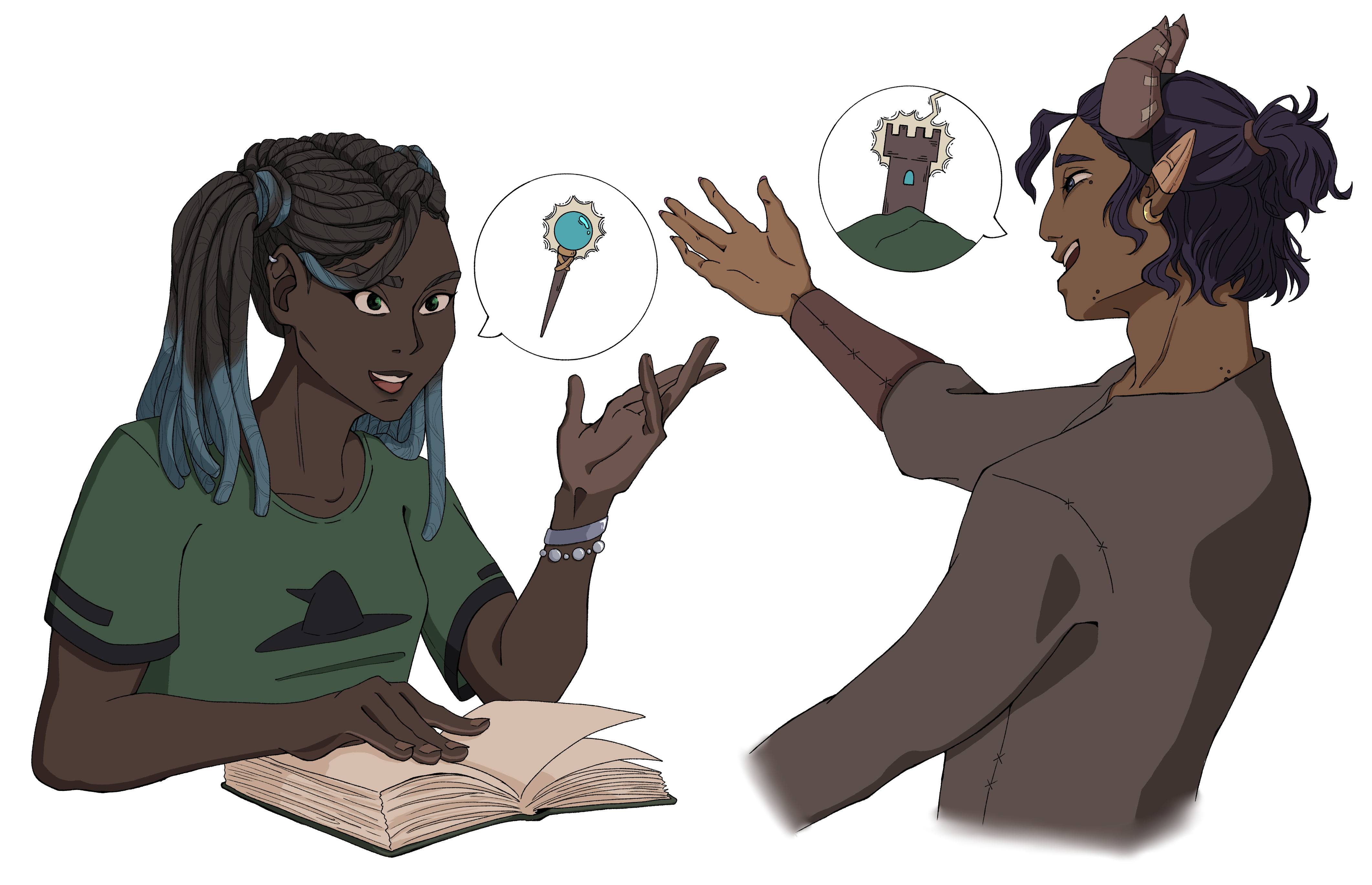
Remember, it’s a conversation!
A Session Zero is not a checklist you grind through while your players sit quietly and listen. It’s a conversation where the topics matter and alignment is the goal. Everyone should walk away holding the same picture of the game you’re all about to play.
That conversation tends to drift through a few natural areas. You set the stage, you sort out the practical stuff, you talk about how the game is actually going to feel, and you build the characters together. None of it has to happen in a strict order, and you should cover whatever your table needs and skip what it doesn’t. Here is the process I often use in my campaigns.
Set the stage without spoiling it
Start with your campaign elevator pitch. This is where you tell your players what the world is about and what’s at stake, without handing over your secrets. Is there an invading army? A prophecy inching toward reality? Some ancient thing stirring after a long sleep? Clue them in. It doesn’t need to be long, either. A few bullets or a short blurb will do since these are just talking points.
I like to anchor that pitch with six truths about the world. These are the foundational facts that tell players what kind of place their characters live in and what they can expect from it. They also keep me honest, because they become the filter every later idea gets sifted through. One truth might establish history, like “the campaign takes place three hundred years after the Cataclysm, and most people just want to survive and forget.” Another might set the emotional register, like “the stakes are high and often overwhelming, but there is still plenty of room for levity.” Think of your truths as the appetizers that whet your players’ appetites for the world to come.
Handle the unglamorous stuff early
Scheduling isn’t exciting, but it’s where campaigns quietly live or die. Settle on a frequency, a session length, and an attendance threshold. The average game runs three to four hours, which is usually enough for roleplay, combat, and story without burning anyone out. Long sessions have their place for big moments, but they should be the exception.
One piece of advice I’ve learned to embrace over the years: decide what happens when someone can’t make it, and resist the urge to cancel every time a single player is out. Frequent cancellations kill momentum and also dedication. Unless a session truly needs everyone, play on. You can decide together what happens to an absent character, whether another player runs them or they slip through a “magic portal” and reappear when their player is back.
While you’re on logistics, set a few expectations for conduct too. Respect in and out of character, punctuality, and open communication go a long way. And keep one rule front and center: consent is law. Players should always seek it before leaning into anything sensitive at the table. If you know your group well, you can keep this light. With newer players, it’s worth spelling out.
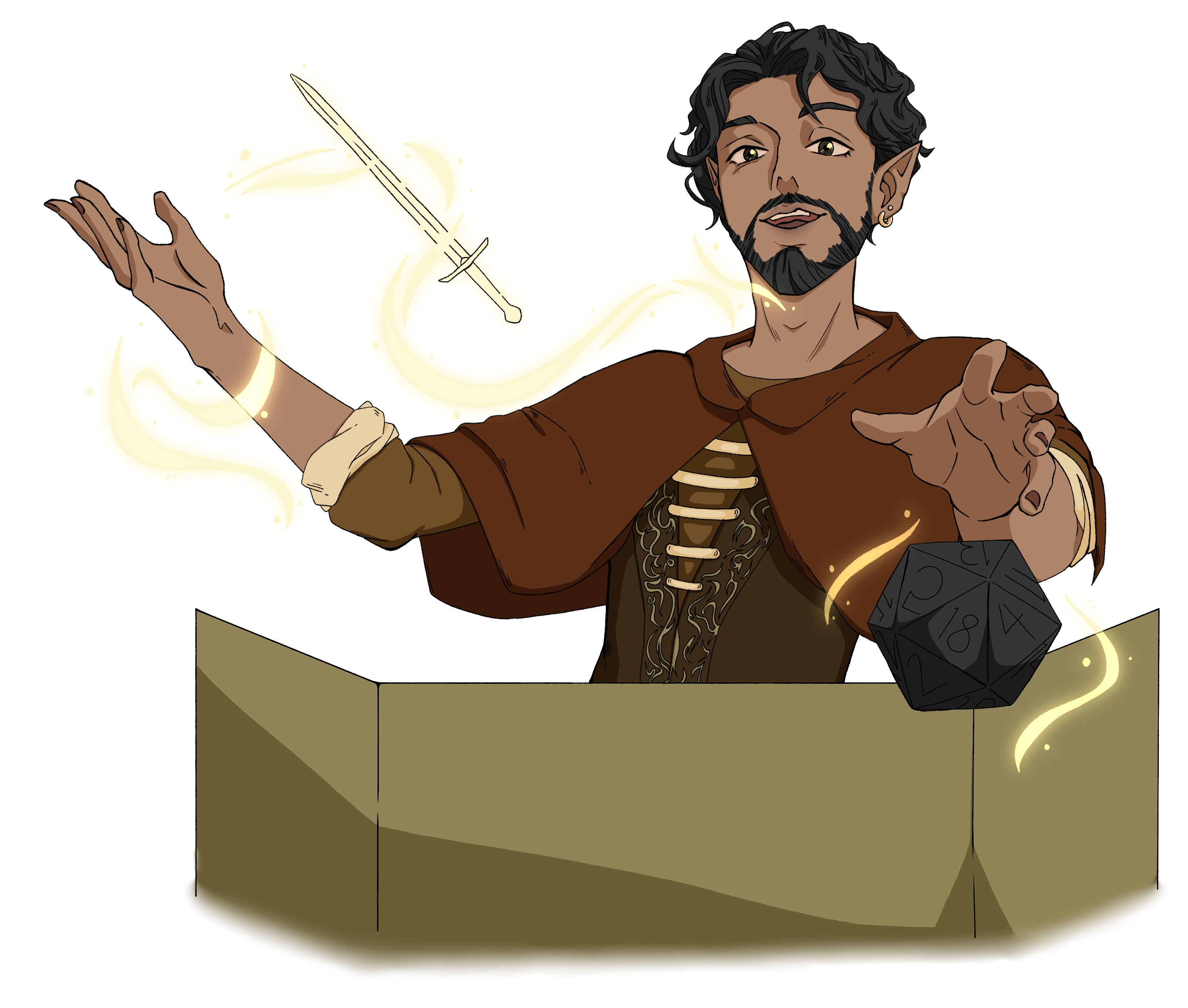
Decide how the game is going to feel
This is where you tell players whether you're going to be their cheerleader or their antagonist, and everything in between. Talk about how strictly you run the rules, and whether you lean on the Rule of Cool when something is awesome enough to bend them. Talk about tone, from lighthearted to grim. Talk about the balance of roleplay and combat, how deadly encounters will get, and how you feel about PvP and romance. At my table we actually fill out a set of questions for this together.
A couple of those deserve extra care. PvP should always be settled before play, because it asks a lot of trust from everyone. Romance should always run on consent, and including it never means anyone is signing up for explicit content. When those moments come, fading to black is good form, but always check in.
This is also your chance to hear what your players actually want, whether that’s deep lore, intrigue, puzzles, or owning a tavern. Their wishes are pure fuel for future plots. You’ll notice styles too, from the “Chaos Goblins” who thrive on unpredictability to the “Murder Hobos” who solve most problems with violence. A good table usually holds a mix, and part of what we do is giving each style its moment.
With that said, it’s completely within your rights to say “no”. If a character concept, a homebrew ability, or a story request doesn’t fit the game, you can decline. Better yet, work with the player toward something you’re both happy with. You are allowed to protect the vibe of your own campaign.
The part DMs forget, and shouldn’t
When I first started DMing, running public games years ago, I had no concept of safety tools or boundary conversations. Sessions would sometimes wander into uncomfortable territory, and players would sit there quietly enduring it. It wasn’t until I watched a player get visibly upset during an intense interrogation scene that I realized something had to change.
Boundaries are simply a person’s comfort level with the topics and experiences that show up at the table. Rather than trying to guess them, you want to leave the door open so players can tell you. I’ve had the most success with a structured, private format. An anonymous survey before the game gives people room to reflect and answer honestly, without the pressure of saying it out loud in front of the group.
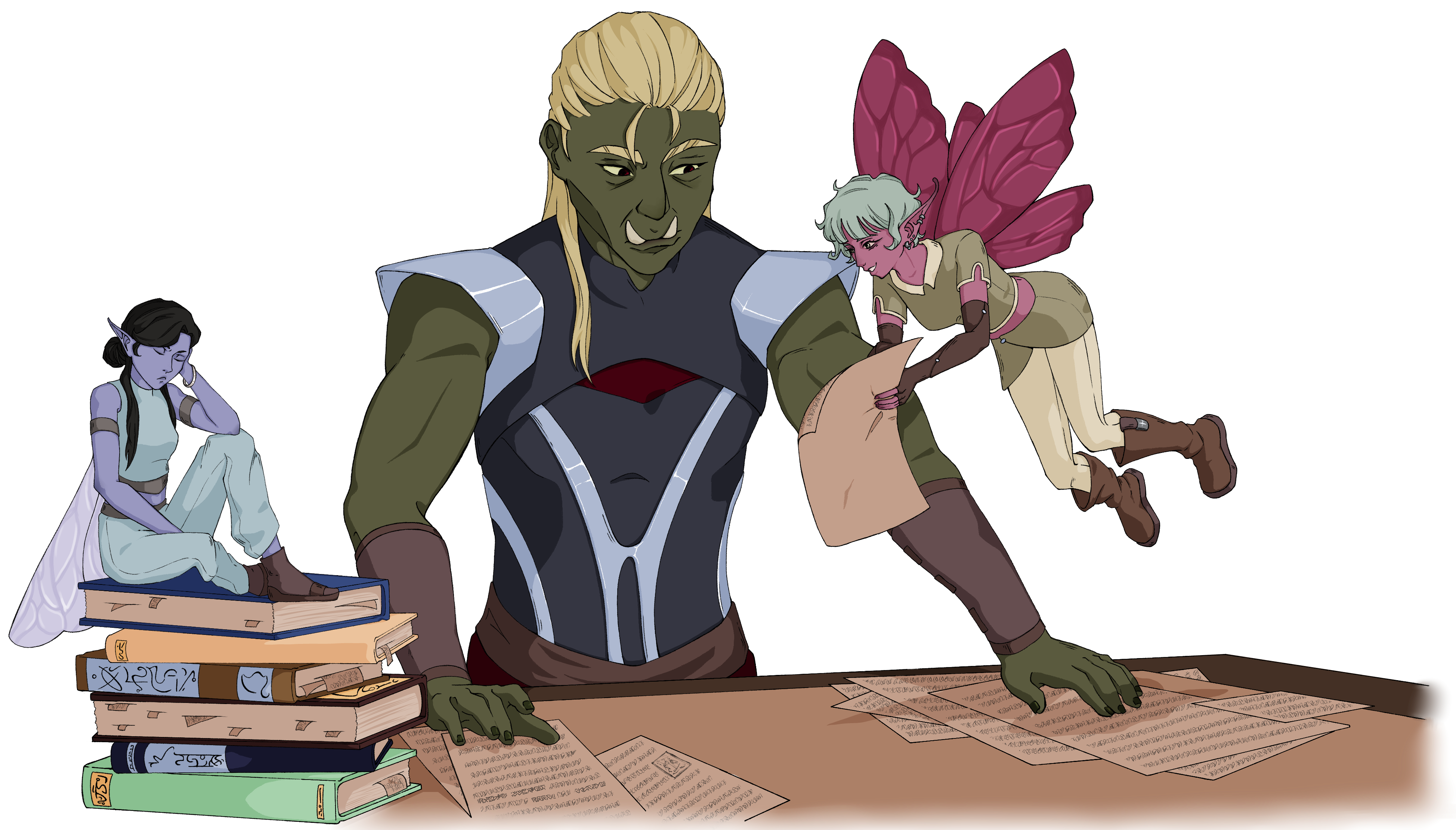
Then there are the tools you actually use during play. The X-card lets anyone signal that they want to pause and change the current content, no explanation required and no judgment attached. I also implemented what I call table talk cards at my table that allows my players to non-verbally signal when they want the DM’s attention, or ask to be included in a roleplay scene. I've turned these into printable cards, which are part of this week's kit. For more on other kinds of safety tools:

Build the characters together
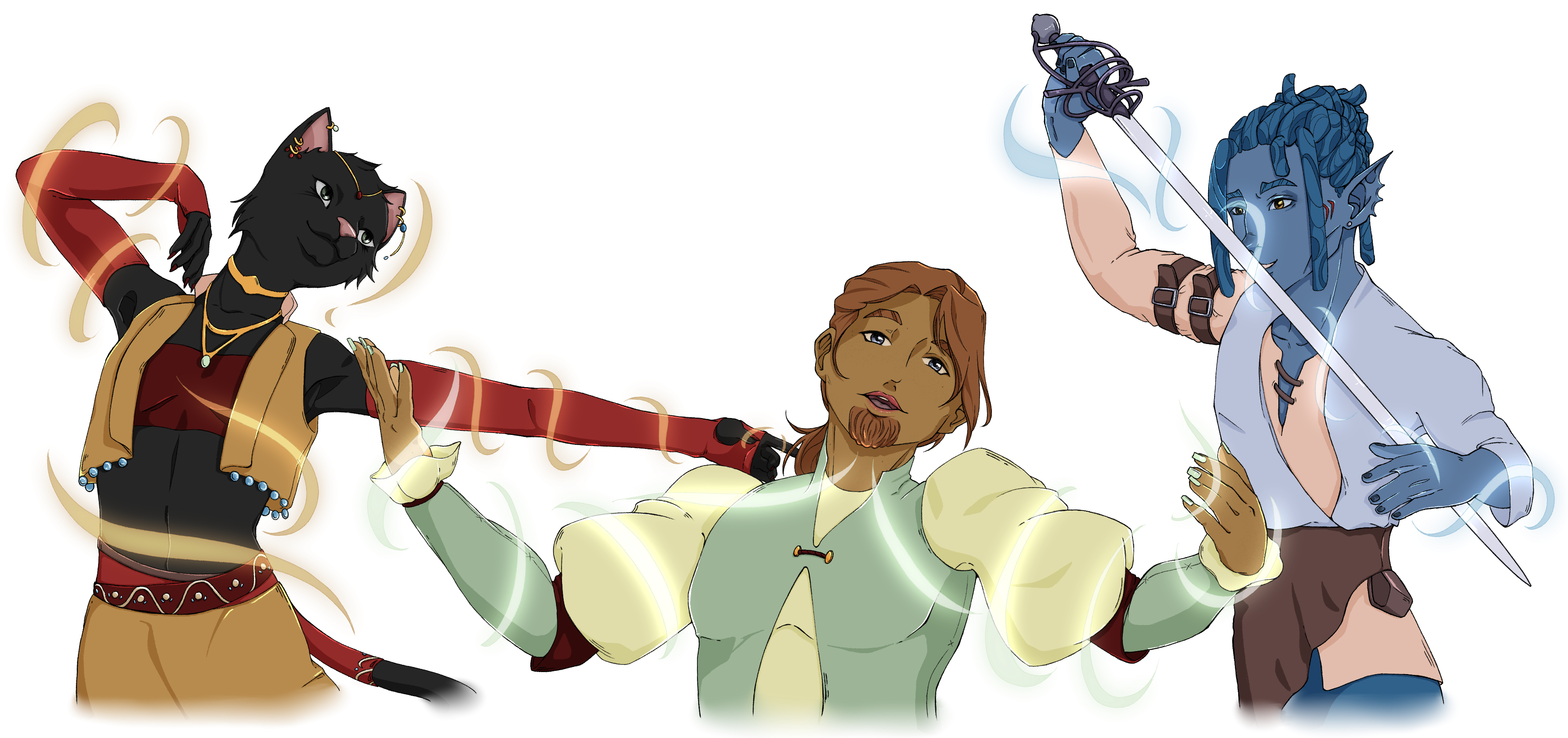
A lot of the magic of a Session Zero is making characters in the same room. Doing it together builds cohesion you can’t fake later. As the DM, you might set a few guidelines: which species and classes the setting supports, any alignment expectations, and a nudge toward a party whose members actually want to work toward the same goal. Though an “Oops, all bards” party has its own chaotic charm.
Backstory is where buy-in really takes root. I work four things with my players: their backstory, the people in their lives, their hooks, and their connections to each other. The people are a handful of NPCs that matter to the character, no more than a few, since I’ll have to bring them to life. The connections are the threads tying one PC to another, which quietly solve a lot of “why is this party even together?” awkwardness before it starts.
Hooks are the part I’d most want to get right, because they drive everything after. A hook is a goal, and the trick is to leave it open-ended. Watch the difference:
My village was destroyed by bandits, so I hunted them down and got my revenge. That’s finished. There’s nothing left to play.
My village was destroyed by bandits, and they’re still out there, and I’ll do anything to stop them. Now there’s a thread to pull.
My village was destroyed by bandits, I avenged it, and the emptiness never left. Now what? Now there’s a character.
An unfinished hook is a gift to your prep. Tie it back to the campaign and a personal quest suddenly belongs to the whole table.
Leave room to change your mind
If you’re running any homebrew rules, be sure to mention them too. They can always change later, but early communication keeps everyone on the same page. A good one I learned play at another’s table is a “buddy system” that grants a small bonus to attack rolls when an ally is adjacent. Nothing fancy, just a little something that makes the table feel like yours.
And that’s really the spirit of the whole thing. A Session Zero is an open dialogue, not a contract carved in stone. Rules shift, mechanics get tuned, some stories never get told, and that’s fine. Stay flexible and keep checking in.
You got this!
What’s Next: Table-Ready Premium Content
A little while back, in my One Year of Behind the Screen, I promised premium drops were on the way. Well, the first one is coming!
Starting this week, I’m launching Table-Ready: every month, done-for-you kits and drops that go straight from behind the screen to your table. No extra prep, just print it or fill it in and play.
Dropping this Wednesday is the Session Zero Kit: fill-in worksheets for your agenda, elevator pitch, and six truths, a Player Preferences Survey you can hand straight to your players, and a set of printable Table Talk Cards for signaling during play without breaking the scene. The article itself breaks down how to use these materials, and does a deep dive on how to run the session in a much more structured way.
Wednesday’s post goes out to everyone, so you’ll see exactly what’s inside. Paid subscribers get the download. And if you’re new here, Substack gives free readers a one-time pass to unlock a single premium post. Honestly, a kit you’ll keep for every campaign is a better use of that pass than an article you’ll read once!
Session 0 gets overlooked way too often in a rush to get to “the good stuff”, and that often comes at a cost later!